
What To Do Before You List Your Lecanto Home
July 9, 2026
July 9, 2026
Wondering whether you should list now or tackle a few things first? In Lecanto, that question matters more than it used to. Buyers are still active, but with more time to compare homes, condition, pricing, and presentation can shape how quickly your home moves and how strong your offers look. If you want to sell with less stress and a smarter plan, these are the key steps to take before your home hits the market. Let’s dive in.
Citrus County’s April 2026 market update shows a market that is active but more balanced than the fast-paced years many sellers remember. Single-family closed sales rose 20.9% year over year to 341, the median sale price was $299,000, the median time to contract was 55 days, and the median time to sale was 90 days. Lecanto is included in that local data, which makes it a useful signal for sellers preparing to list.
What does that mean for you? Buyers are still purchasing homes, but they usually have more time to compare options. That makes your pre-listing prep more important because pricing alone may not carry the day if your home shows deferred maintenance, clutter, or weak photos.
Florida Realtors notes that Florida sellers may see the best listing window in early to mid-April, when spring demand is often strongest and competition tends to build later. For many Lecanto homeowners, that means the real work should happen before spring, not after the sign goes in the yard.
If your timeline points to summer or fall, planning ahead still helps. Atlantic hurricane season runs from June 1 through November 30, with peak activity typically between August and October, so exterior cleanup, tree trimming, and photography are usually better handled early when possible.
Before you spend money, start with this mindset: prepare to sell, not to remodel for yourself. The strongest pre-listing improvements are usually the ones buyers notice right away, especially projects tied to cleanliness, maintenance, and first impressions.
The 2025 Remodeling Impact Report says Realtors most often recommend painting the entire home, painting a single interior room, and installing new roofing before listing. The same report also points to strong cost recovery for items like a new steel front door, closet renovation, and a new fiberglass front door.
That does not mean you need a long renovation list. In most cases, visible refreshes and deferred-maintenance fixes make more sense than a major discretionary remodel when your goal is to sell.
Fresh paint can make a home feel cleaner, brighter, and better cared for. If your walls show scuffs, bold color choices, or patchy touch-ups, repainting can give buyers a simpler, more neutral backdrop when they tour your home in person or online.
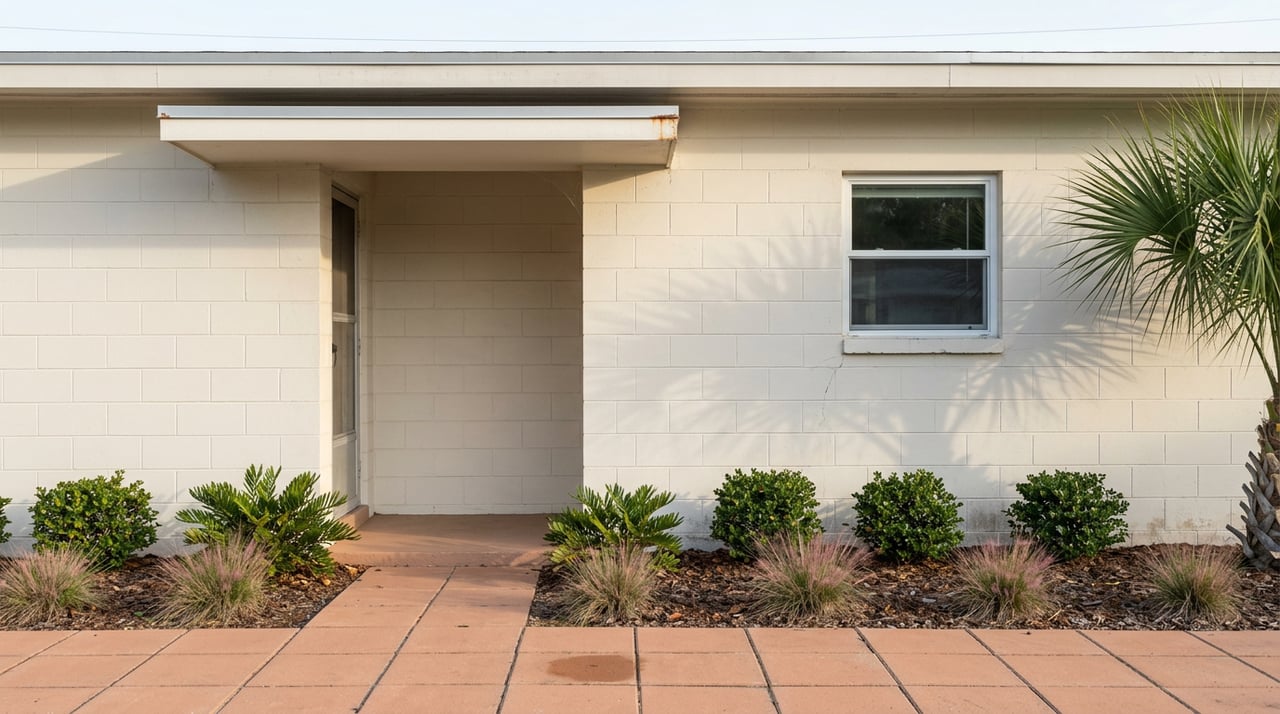
Minor repairs matter too. Loose handles, cracked caulk, squeaky doors, broken screens, and chipped trim may seem small, but they can add up in a buyer’s mind. A home that looks cared for often feels easier to trust.
If your roof, HVAC system, or another major component may raise questions, at least get repair or replacement estimates before you list. Even if you decide not to complete the work, knowing the likely cost helps you price more realistically and prepare for buyer questions during negotiations.
This step can also reduce surprises later. When you understand which items are cosmetic and which ones are true condition issues, you can make smarter decisions about where your money will actually help.
Today, many buyers meet your home on a screen before they ever step through the front door. That is why presentation matters so much. Professional staging principles, strong cleaning, and quality media can shape whether buyers decide to schedule a showing at all.
NAR’s staging coverage says buyers increasingly expect homes to look professionally presented online, and agents report that staging can help buyers visualize the property, reduce time on market, and sometimes strengthen offers. In a market where buyers have more options, that first impression can carry real weight.
The most recommended prep tasks include:
You do not need a magazine-perfect home. You do need a home that feels clean, open, and easy for buyers to picture as their own.
Walk through your home as if you are seeing it for the first time. Remove extra furniture that blocks flow, clear counters, and pack away highly personal items like large family photo displays or niche collections.
The goal is not to strip out all personality. It is to help buyers notice your home’s space, light, storage, and layout instead of getting distracted by too many belongings.
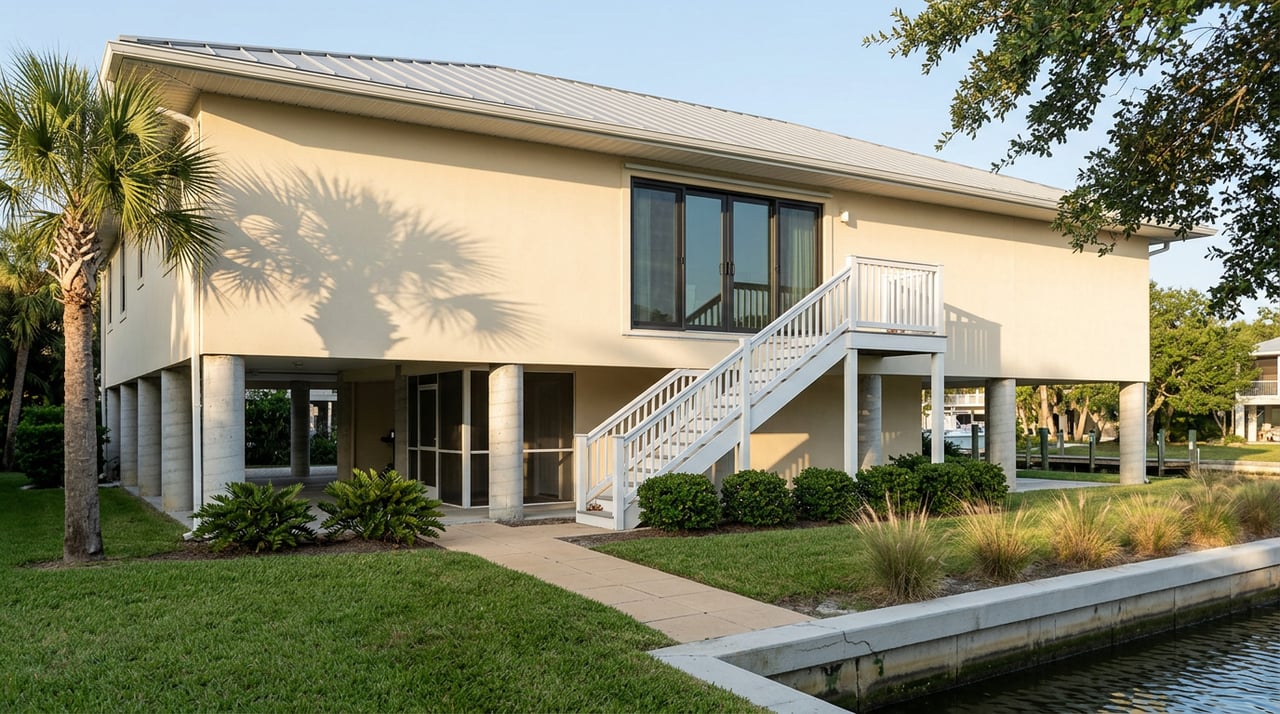
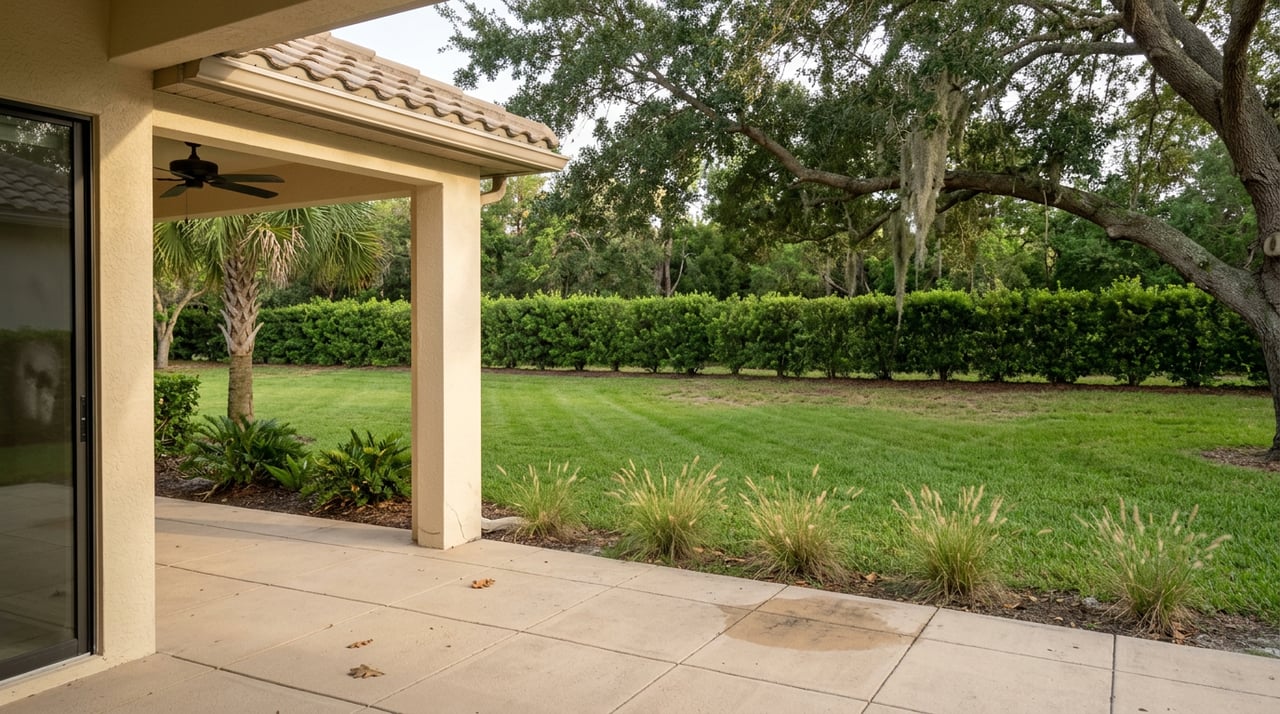
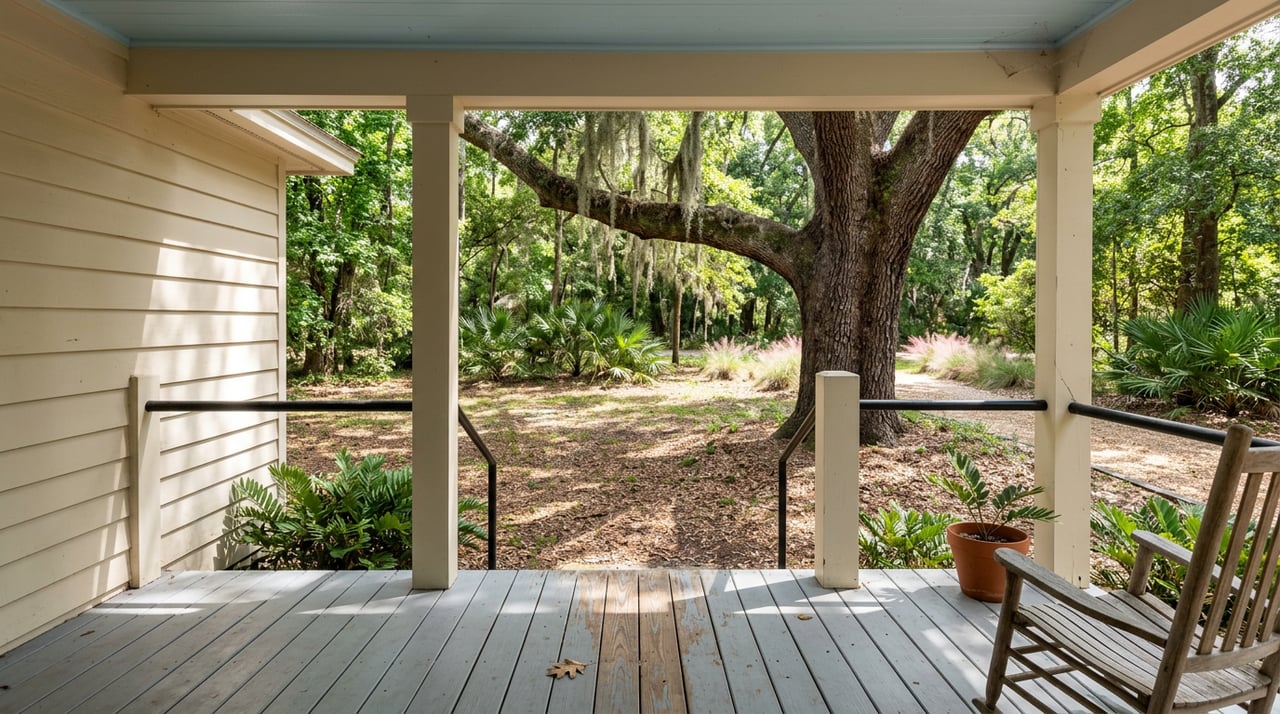
In Lecanto, curb appeal often means more than a neat flower bed near the front door. Many homes sit on larger lots, semi-rural parcels, or properties where the driveway, tree line, and yard condition all shape a buyer’s first impression.
For these homes, the yard is part of the product. Buyers are not only looking at the house itself. They are also noticing whether the property feels manageable, maintained, and welcoming.
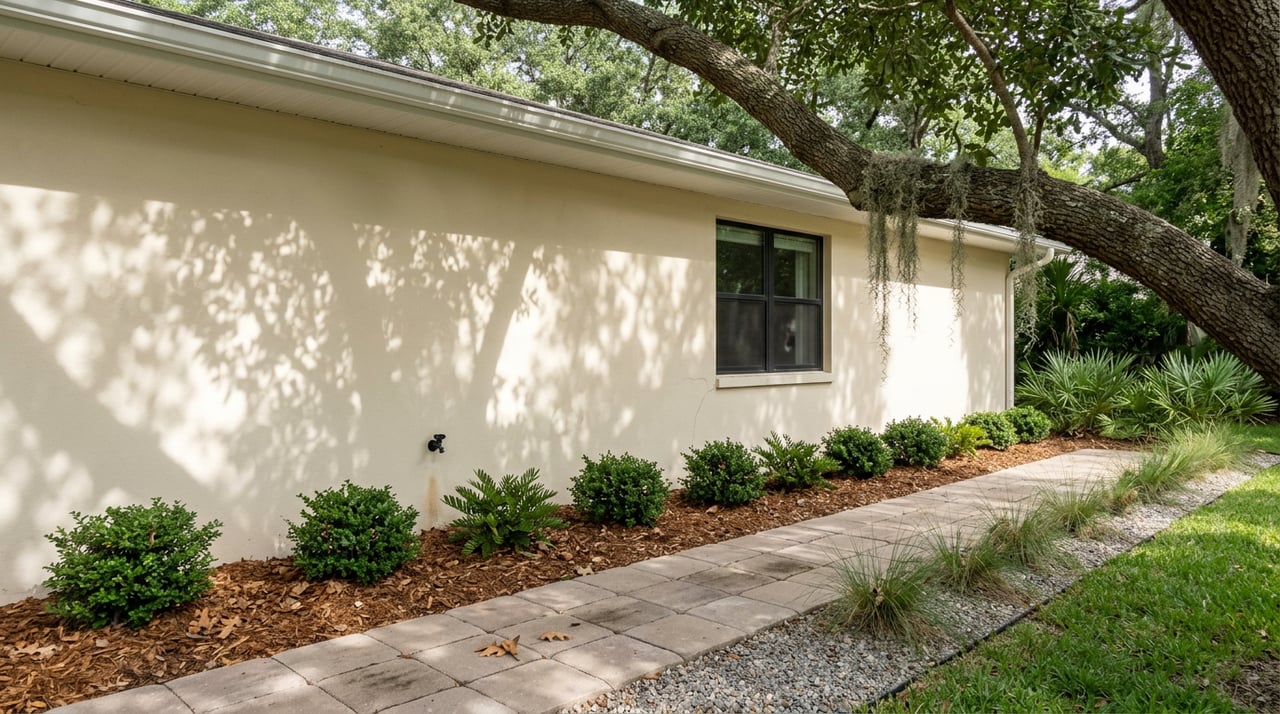
On acreage or semi-rural properties, focus on visible order. Clean driveways, trimmed tree lines, clear entry paths, and manageable planting beds usually signal that the property has been cared for without making it feel high maintenance.
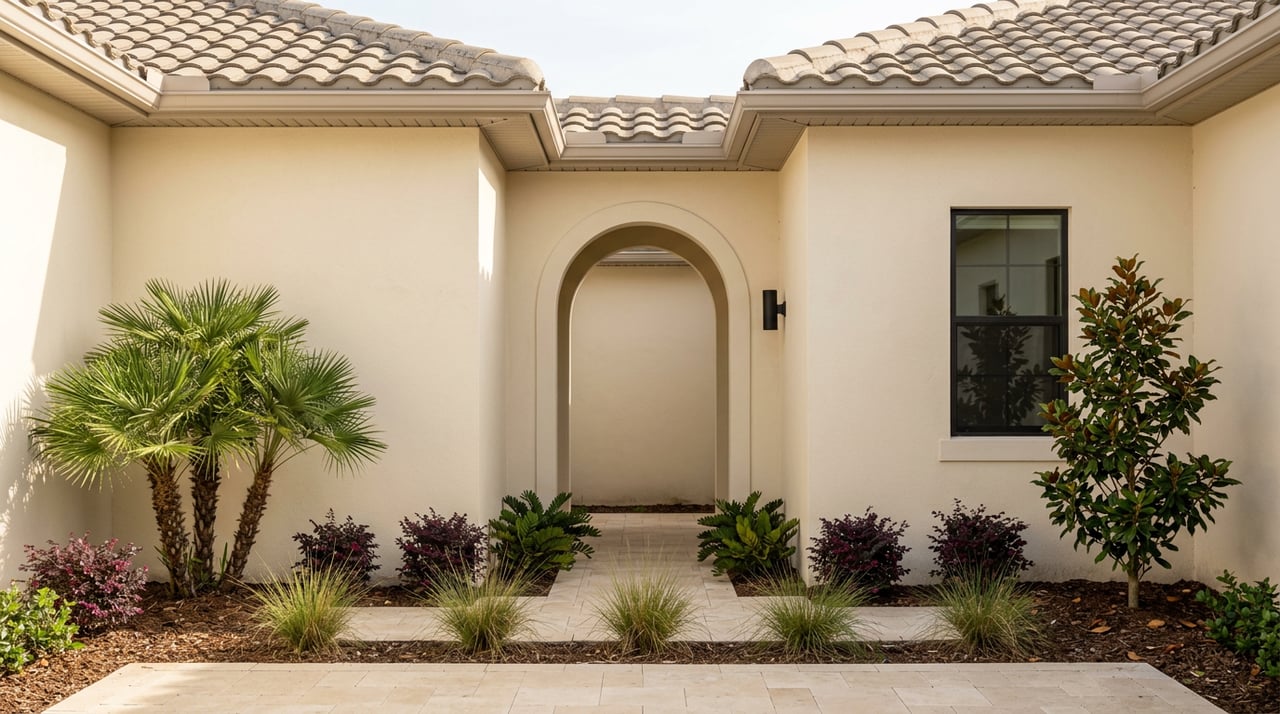
This approach also fits Florida-Friendly Landscaping principles from UF/IFAS, which emphasize right plant, right place; water efficiency; mulch; reduced stormwater runoff; and protection of Florida’s natural resources. For sellers, that means smart curb appeal does not have to mean overplanting or creating a yard that looks expensive to maintain.
UF/IFAS notes that mulch creates a neat, uniform appearance and works well in shady spots and hard-to-mow areas. That can be especially helpful on Lecanto properties with mature trees, wider frontages, or irregular landscape beds.
The Citrus County Extension office also highlights Florida-Friendly plants that thrive in local yards. Choosing plants suited to the site can reduce irrigation, fertilization, and pest-control needs while still helping the property look clean and well kept.
One of the easiest ways to reduce stress before listing is to collect your paperwork before a buyer asks for it. In Florida, that step can be especially helpful for homes with wells, septic systems, past permitted work, or flood-related history.
Having records ready does not guarantee a faster sale, but it can make due diligence smoother. It also helps you answer questions clearly instead of scrambling once you are under contract.
Florida law now requires a seller to complete and provide a flood disclosure to a purchaser of residential real property at or before the sales contract is executed. The law also reminds buyers that homeowners insurance does not include flood damage.
If your property has any known flood history, prior claims, or FEMA assistance records, gather that information early. Even if buyers do not ask right away, being prepared can help keep the process moving.
If your Lecanto home uses a private well, the Florida Department of Health strongly recommends testing for bacteria and nitrate at least once per year. Routine private-home well sampling is not required by the state when a house is sold, but recent test results can still help reduce friction during inspection or due diligence.
If your home has a septic system, maintenance records matter too. Florida Department of Health guidance says not to overload the drainfield, to keep roof drains and surface drainage away from it, and to fix leaks that can stress the system. The Florida Department of Environmental Protection notes that county health departments handle septic permitting and inspections, so it is smart to assemble service records and permit paperwork before your listing goes live.
Before listing, pull together:
This kind of file can help you stay organized and make buyer questions easier to answer.
A common seller mistake is spending too much on projects that will not meaningfully change buyer interest or sale terms. If your goal is to sell, not stay long term, a big remodel is often not the first or best move.
The better strategy is usually to improve what buyers see first and address issues that could raise red flags. Paint, roof-related maintenance, decluttering, cleaning, minor repairs, and curb appeal usually offer a more practical path than a full kitchen or bath overhaul right before listing.
If you are unsure whether a project is worth doing, ask a simple question: will this help the home show better, photograph better, or reduce concern during inspection? If the answer is no, it may not need to happen before you list.
The smoothest sales usually start with a plan, not a rush. In a market like Lecanto, where buyers are active but more selective, preparing your home before it goes live can help you launch with fewer last-minute fixes and a stronger first impression.
A solid pre-listing plan often includes a walkthrough, a short repair list, a cleaning and decluttering schedule, exterior touch-ups, and time set aside for photos. If you are aiming for spring, try to finish those steps before demand peaks and competition builds.
When you take care of the right details early, you give your home a better chance to stand out where buyers are looking first: online, from the curb, and during the first few minutes of a showing.
If you’re thinking about selling in Lecanto, Katie Spires can help you build a smart prep plan, highlight the features buyers care about most, and launch your home with professional marketing designed to stand out. Let’s make your move together.


At the Katie Spires Team, we combine deep market expertise with a client-first mindset to guide you through every step of your real estate journey. From the initial presentation to the final signature, we’re committed to making your experience seamless, strategic, and successful.

Katie Spires Team
1121 Sterling Rd Inverness FL 34450