Floral City Acreage and Mini-Farm Property Buying Guide
March 5, 2026
March 5, 2026
Dreaming of a little space to breathe, keep a few animals, or grow a hobby crop in Floral City? You are not alone. Buyers love 34436 for its rural feel, lakes and river access, and the mix of small homesites, mini‑farms, and larger ranch parcels. In this guide, you will learn how to read rural listings, what to check with Citrus County, and which pros to hire so you can buy acreage with confidence. Let’s dive in.
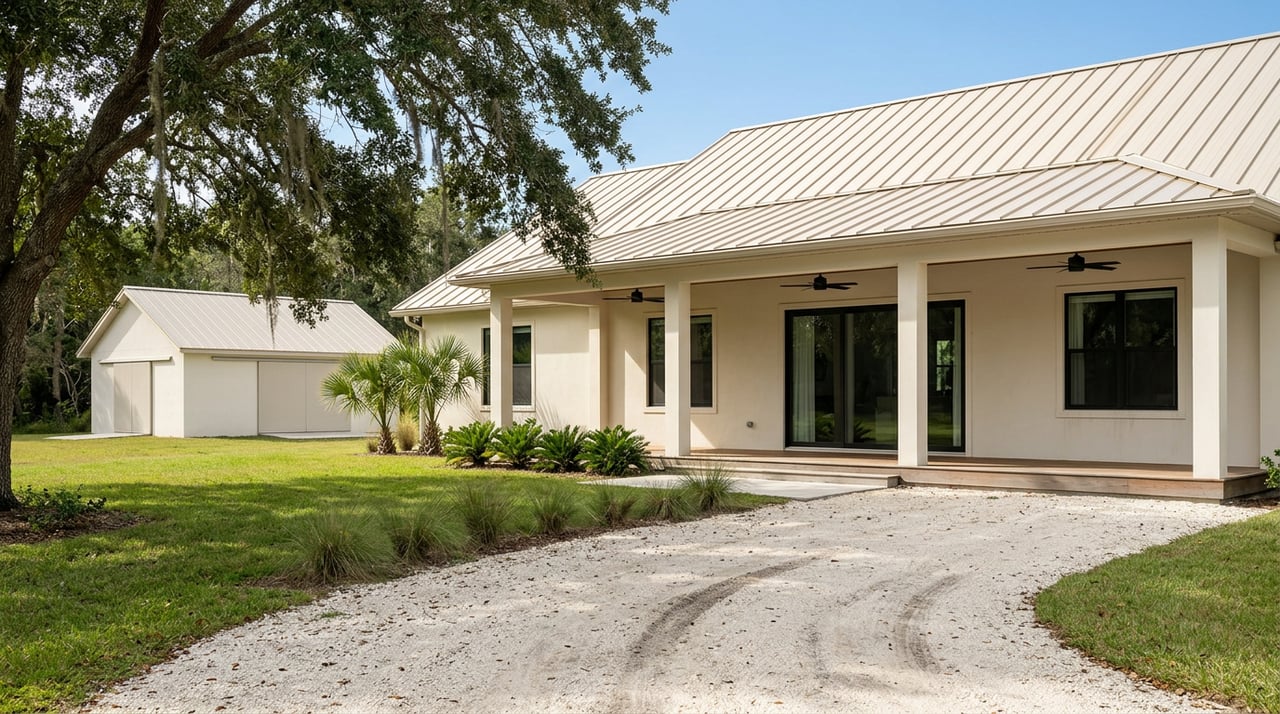
You will see everything from small lots under a quarter acre to 1–10 acre mini‑farms and larger ranch tracts. Many properties feature pasture, cross‑fencing, pole barns, small orchards, or wooded areas. Private wells and septic systems are common, while some locations can access county water or sewer.
Before you fall in love with a parcel, remember that buildable area can be smaller than total acreage. Flood zones, wetlands, setbacks, and recorded easements all affect where you can place a home, barn, paddocks, or an arena.
A few minutes of smart screening can save you weeks later.
Zoning controls what you can build and how you can use the land. Ask the listing agent and the county for the parcel’s zoning district, any planned development status, and a copy of the “permitted uses” list. For official references and processes, review Citrus County’s Land Development Code (LDC): Citrus County Land Development Code.
Barns, pole buildings, and accessory dwelling units have specific standards in the LDC. On smaller parcels, accessory structures may have compatibility requirements for materials and color. ADUs have size limits, and larger secondary dwellings can require a conditional use or a planned development approval on larger parcels. Ask the county to email you the exact LDC section that applies to your plan.
Setbacks and impervious surface limits can shape your site plan more than the raw acreage number suggests. Measure carefully before siting barns, paddocks, arenas, and driveways. Have your surveyor show setback lines and recorded easements on a current survey so you see your true building envelope.
Expect site plan review, building permits, and, where needed, septic and stormwater approvals. Larger changes such as lot splits or planned developments go to the Planning & Development Commission and the Board of County Commissioners. Ask staff for required submittals, timelines, and fees when you first outline your project. Start here for county processes: Land Development Division.
Rural service in Citrus County is provided by a mix of investor‑owned utilities and cooperatives. Many acreage areas are served by Withlacoochee River Electric Cooperative. Confirm your provider and whether a service drop or pole extension is needed. Learn more at Withlacoochee River Electric Cooperative.
Many Floral City parcels rely on private wells and septic systems. In some areas, county water or sewer is available, and connection can be required when central service is present. Check availability and application steps through Citrus County Utility Business Services.
Septic is permitted and inspected locally under Florida’s OSTDS rules. If a parcel has an existing system, request records and inspection results. If not, expect a site evaluation and permit before a certificate of occupancy. The Citrus County health department has program details here: Onsite Sewage (Septic) – Florida DOH Citrus.
Confirm whether access is via a county or private road. If your driveway crosses a county right‑of‑way, you may need a driveway and culvert permit and a minimum culvert size. For private roads, look for a recorded road‑maintenance agreement.
Floral City includes river and lakeshore areas where FEMA flood zones are common. Flood designation affects building elevation requirements and insurance costs. Ask the county for a flood zone determination and whether an elevation certificate or Letter of Map Amendment exists. Start with Citrus County Floodplain Management.
Parcels near river corridors, lakes, or wetlands often need a wetland delineation and may involve state or federal permits for fill, drainage, or docks. Use the county GIS to screen for wetlands, then hire a qualified consultant if needed. See the Citrus County GIS and LDC Atlas for an early look.
Soil type and water table depth affect septic feasibility, pasture performance, and the cost of building pads. If there is no approved septic system, plan for an on‑site evaluation by a licensed septic contractor or soil professional. Your civil engineer can advise on drainage and any needed stormwater design.
Large‑scale clearing for pastures or arenas may require permits or mitigation. Ask the county about tree‑retention standards that apply to your parcel and project. The rules live in the Citrus County LDC.
Hiring the right pros in the right order keeps surprises off your plate.
Get these answers in writing before your inspection period ends.
If you plan bona‑fide agricultural use, ask about the county’s agricultural classification for property tax purposes. Filing typically occurs between January 1 and March 1, and classification depends on bona‑fide commercial agricultural use rather than an absolute minimum acreage. Review the Citrus County Property Appraiser’s guidance here: Agricultural Classification – Citrus County PA.
Buying land is different from buying a house. When you have a team that knows Citrus County’s rules, utilities, and site planning process, you can move forward with clarity. If you are considering acreage or a mini‑farm in Floral City, we can help you screen parcels, coordinate due diligence, and connect you with trusted local pros. Let’s make your move simple and confident with the Katie Spires Team. Connect with Katie Spires to get started.

At the Katie Spires Team, we combine deep market expertise with a client-first mindset to guide you through every step of your real estate journey. From the initial presentation to the final signature, we’re committed to making your experience seamless, strategic, and successful.
Katie Spires Team
1121 Sterling Rd Inverness FL 34450