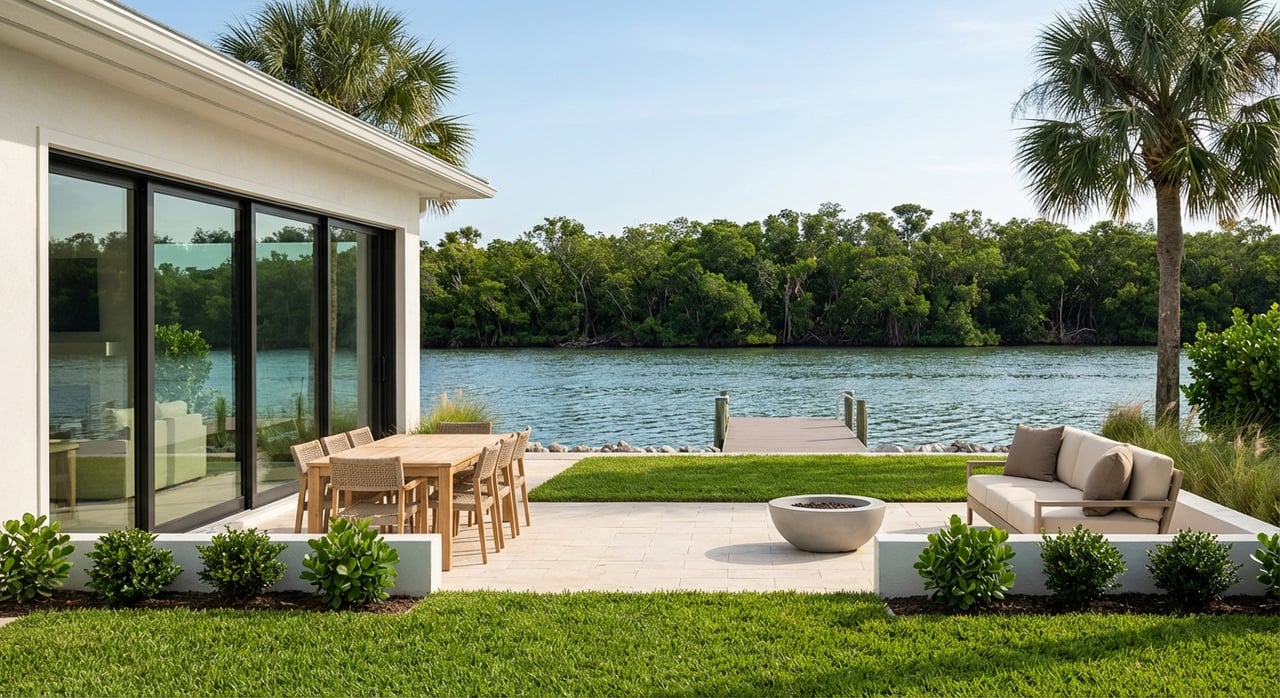
Preparing Your Crystal River Waterfront Home To Sell
February 19, 2026
February 19, 2026
Selling on the water in Crystal River is different. Buyers are dreaming about paddling out on Kings Bay, watching manatees glide by, and tying up at a private dock. You want to capture that lifestyle while avoiding surprises with permits, flood zones, and insurance. In this guide, you’ll get a clear step-by-step plan to prepare, market, and sell a Crystal River waterfront home with confidence. Let’s dive in.
Crystal River’s Kings Bay and Three Sisters Springs anchor a nationally significant manatee refuge. Seasonal protections shape how you enjoy the water and how you market your home. During winter manatee season, certain areas have sanctuary or no-entry rules, and you should avoid wildlife disturbance during photos or showings from the water. You can review current access and refuge guidance through the Crystal River National Wildlife Refuge to plan timing and logistics for media and tours. Check the latest refuge visitor information and restrictions.
Buyers value this unique environment. When your listing highlights water access, views, and proximity to springs, you also build trust by documenting shoreline structure condition and any permits that apply. That balance helps buyers move forward with confidence.
Getting ahead of issues speeds up offers and underwriting. Order inspections early so you have time to complete small fixes or price accordingly.
Book a full pre-listing home inspection that includes roof, electrical, plumbing, and HVAC. Add a wood-destroying organism report. These are common requests in Florida and help you address items that often hold up buyer decisions.
Hire a qualified marine contractor or a licensed engineer to inspect your dock, boat lift, and seawall or bulkhead. Ask for a written scope that calls out pile condition, decking, fasteners, wiring, and any movement or cracking in the seawall. Buyers place heavy weight on safe, functional waterfront structures, so clear documentation can protect your price and reduce renegotiations.
If your property is on septic, schedule a septic inspection and gather service records. Some waterfront areas are transitioning from septic to sewer, which can affect buyer questions and long-term plans. Review Citrus County’s project information to confirm whether your parcel is in a current or future service area and document the status. See Citrus County’s Septic to Sewer projects.
Waterfront features touch multiple agencies. Verifying facts now pays off during buyer due diligence and appraisal.
Start with the Citrus County Building Division for permit history on the home and any shoreline work. If your dock, seawall, lift, or prior dredging involved state or federal authorization, collect those records. Waterfront improvements can require approvals from the Florida Department of Environmental Protection and other agencies, so do not assume work was permitted just because it is present. Access Citrus County permitting and floodplain resources. For state-level guidance, review Florida DEP’s permitting resources to understand how coastal and submerged-lands rules may apply to your shoreline.
Use FEMA’s Flood Map Service Center to look up your address and confirm the flood zone. If your home is in a Special Flood Hazard Area, most lenders will require flood insurance. An existing elevation certificate can help buyers obtain accurate quotes or even support a Letter of Map Amendment if the structure sits above base flood elevation. Look up your property’s flood zone at FEMA’s Flood Map Service Center.
Florida’s insurance market has been evolving, and carriers frequently adjust guidelines. Confirm your current coverage, get clarity on wind or homeowners insurance availability, and gather receipts for any mitigation features like impact windows, roof straps, or braced garage doors. These can lower premiums and increase buyer confidence. Keep an eye on regulatory updates that affect rates and underwriting. Read recent Florida Office of Insurance Regulation updates.
You do not need to renovate everything. Focus on the items buyers scrutinize on the water.
Buyers and insurers reward proof. Gather and share copies of your wind mitigation inspection, elevation certificate, and receipts for impact-rated windows or doors. Verified mitigation often unlocks insurance credits, which can support a stronger offer and smoother underwriting. A simple, organized folder for permits, inspections, and repairs can set your listing apart.
Help buyers feel the water as soon as they enter. Declutter, deep clean, and open sightlines to the view by pulling furniture away from sliders and windows. Refresh curb appeal with Florida-friendly, low-maintenance landscaping, and trim vegetation to frame the water. Keep decor neutral so shoppers can picture their own mornings on the dock.
Photos, detailed information, floor plans, and virtual tours rank among the most useful features to home shoppers, according to NAR research. That is your signal to invest in a full media package that shows the property and the water at their best. See NAR’s findings on what buyers value online.
Waterfront value depends on access type, dock and seawall condition, and any permitting or flood considerations. Your agent should pull local comps matched by water type, lot size, and condition, then fine-tune pricing with your inspection findings. Clear, early disclosures build credibility.
Florida law requires sellers to disclose known facts that materially affect value and are not readily observable. Put dock and seawall history, any flooding or storm repairs, septic service dates, recorded easements, and shoreline permits in writing. This reduces post-contract stress and supports a smoother closing. Review the Johnson v. Davis disclosure standard.
Use this sequence to get market-ready without missing key details.
Crystal River waterfront sales reward accuracy and presentation. You want a team that understands manatee season logistics, shoreline permitting, and insurance details, and that also brings pro-level media to spotlight your home’s lifestyle appeal. The Katie Spires Team pairs deep Citrus County roots with in-house photography, videography, and 3D tours, plus a team system that keeps your listing moving from prep to closing. If you are planning to sell on Kings Bay, along a canal, or near the springs, we are here to help you price with confidence and market with reach.
Ready to prepare your Crystal River waterfront home to sell? Connect with Katie Spires. Let’s make your move together.



At the Katie Spires Team, we combine deep market expertise with a client-first mindset to guide you through every step of your real estate journey. From the initial presentation to the final signature, we’re committed to making your experience seamless, strategic, and successful.

Katie Spires Team
1121 Sterling Rd Inverness FL 34450