Thinking about selling your Crystal River home in the next 90 days? Pricing here is not one-size-fits-all, especially with waterfront, flood zones, and septic systems in the mix. You want a clear number you can trust and a plan to bring the best buyers to your door. In this guide, you’ll learn what actually drives value in Crystal River, how a local CMA works, which features move the needle, and how to prepare for a smooth sale. Let’s dive in.
Crystal River value drivers
Crystal River’s appeal revolves around the Crystal River and Kings Bay area, manatee viewing at Three Sisters Springs, and easy access to the Gulf of Mexico. These draw retirees, second-home buyers, and short-term rental investors who value water access and outdoor recreation. Seasonal patterns matter, too, since fall through spring often brings more “snowbird” activity and buyer interest.
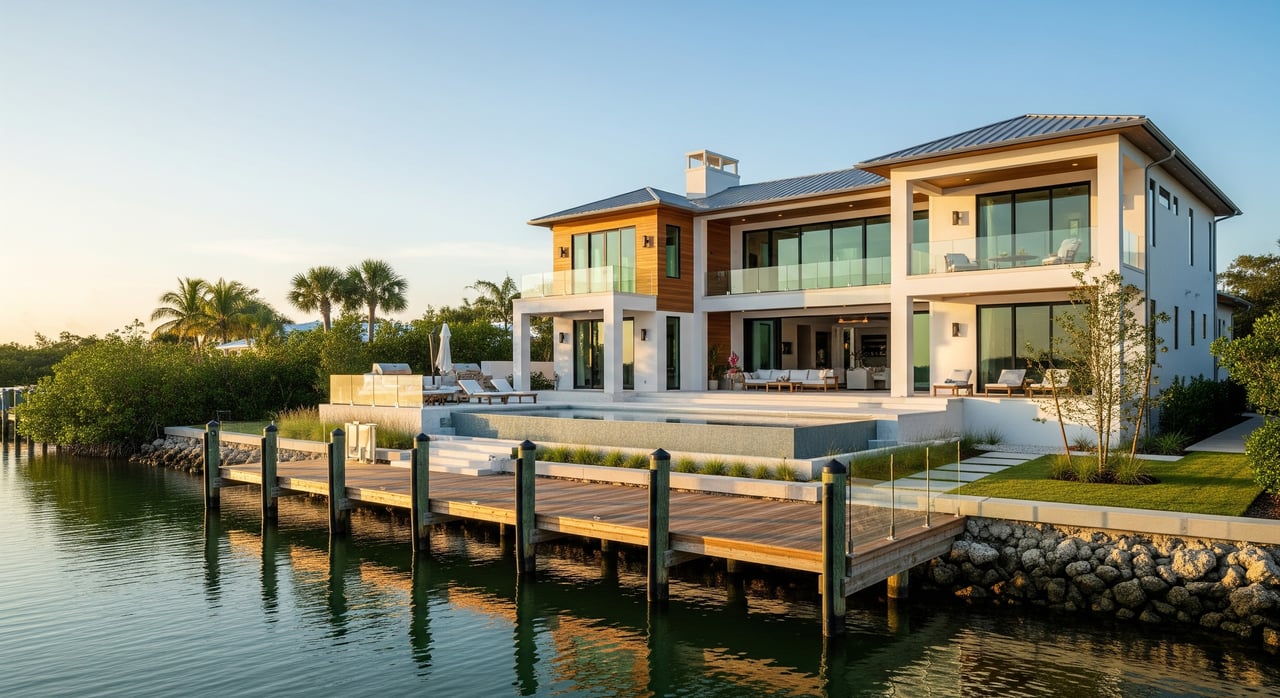
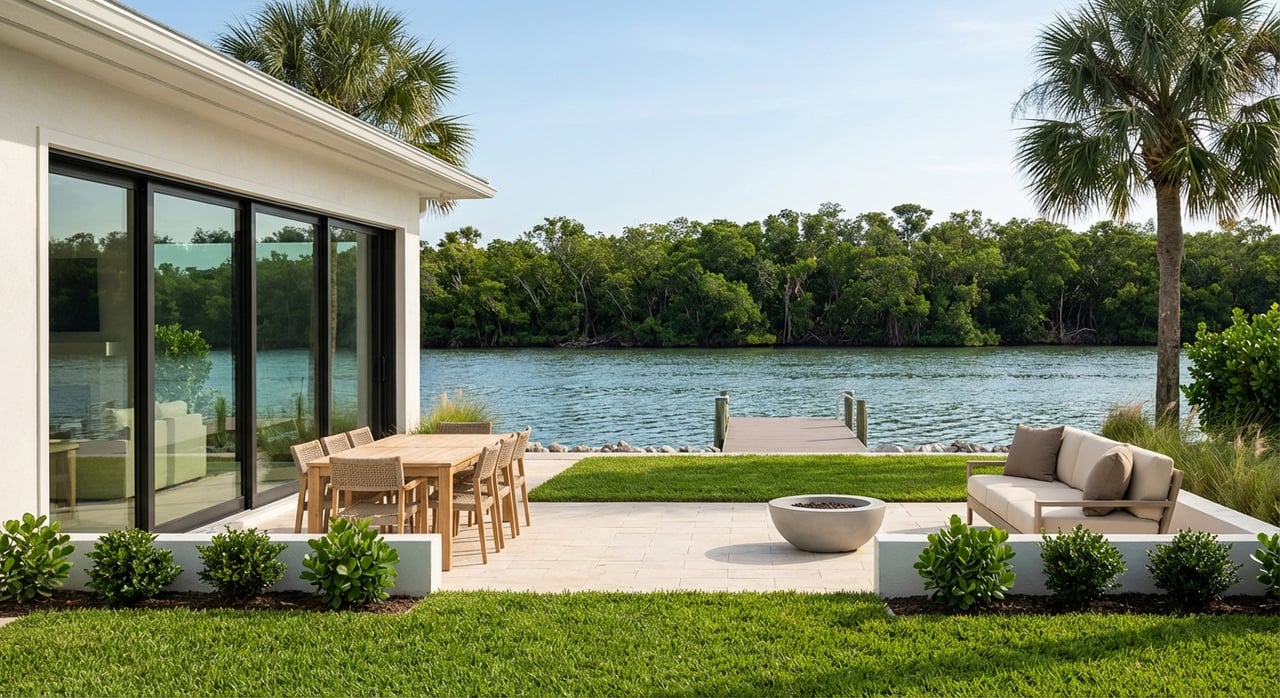
Waterfront and water-access homes usually attract a different, often wealthier buyer pool than inland properties. Specifics like direct gulf access, canal vs. bayfront, and the presence of a permitted dock or seawall can shift value substantially. Inland buyers tend to focus more on lot size, affordability, and condition.
Local risks and rules also influence price. Flood zone designation, lot elevation, and whether a property has an elevation certificate affect insurance costs and the buyer pool. Septic versus municipal sewer, permitting for docks or seawalls, and short-term rental rules all play a part in demand and financing readiness.
Pricing methods explained
You will likely hear about four valuation tools:
- Comparative Market Analysis, or CMA. An agent-created report using MLS sold, pending, and active listings with local adjustments. This is the best starting point for list pricing in Crystal River.
- Appraisal. Common for financed purchases, usually based on recent closed sales plus cost and income approaches where relevant.
- Automated Valuation Models, or AVMs. Fast online estimates that can miss key Crystal River nuances like dock quality, flood exposure, or septic status.
- Broker Price Opinion, or BPO. A quicker broker estimate often used by lenders, less detailed than a full appraisal.
For most sellers, a locally informed CMA is the right pricing foundation. If your home is highly unique or you want extra reassurance for financed buyers, you can supplement with an appraisal.
Select the right comps
Choosing the right comparable sales is essential in Crystal River. Focus on comps that match or can be properly adjusted for:
- Location type: direct waterfront vs. water view vs. inland.
- Water access: gulf access, canal vs. natural bayfront, boat ramp proximity, dock or seawall details.
- Flood factors: lot elevation and flood zone, and whether similar homes carry flood insurance.
- Home size and layout: bedrooms, bathrooms, and true livable square footage.
- Condition and major systems: roof age, HVAC, septic or sewer status, foundation type.
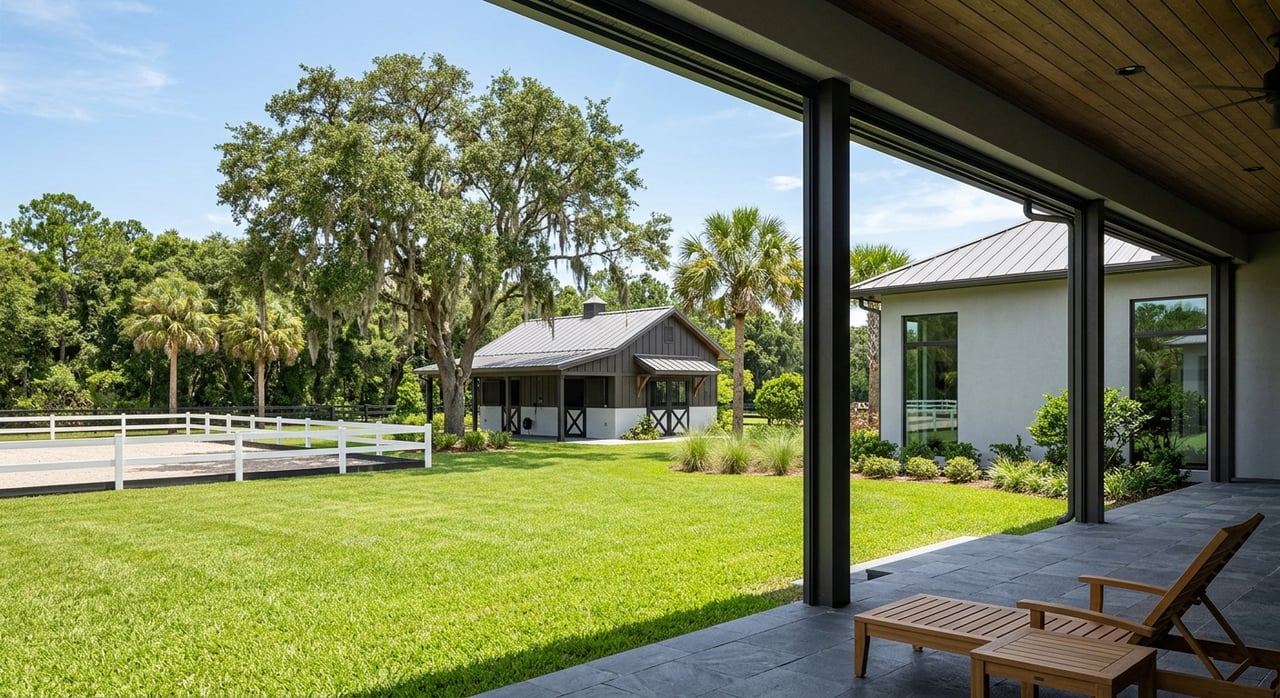
- Site improvements: dock, boat lift, seawall, paved driveway, landscaping, accessory structures.
- Structure type: single-family, condo, or manufactured home, each with its own buyer pool and comp set.
Waterfront comps are not interchangeable with inland sales. Matching on water type and access often matters more than simple proximity.
Feature impacts on price
Think about features in terms of relative impact rather than fixed percentages.
- Major positive impacts: direct waterfront with dock and gulf access, recent full renovation, high elevation outside floodplain, permitted seawall in good condition.
- Moderate positives: water view without direct access, newer roof or HVAC, added livable square footage like a finished bonus room.
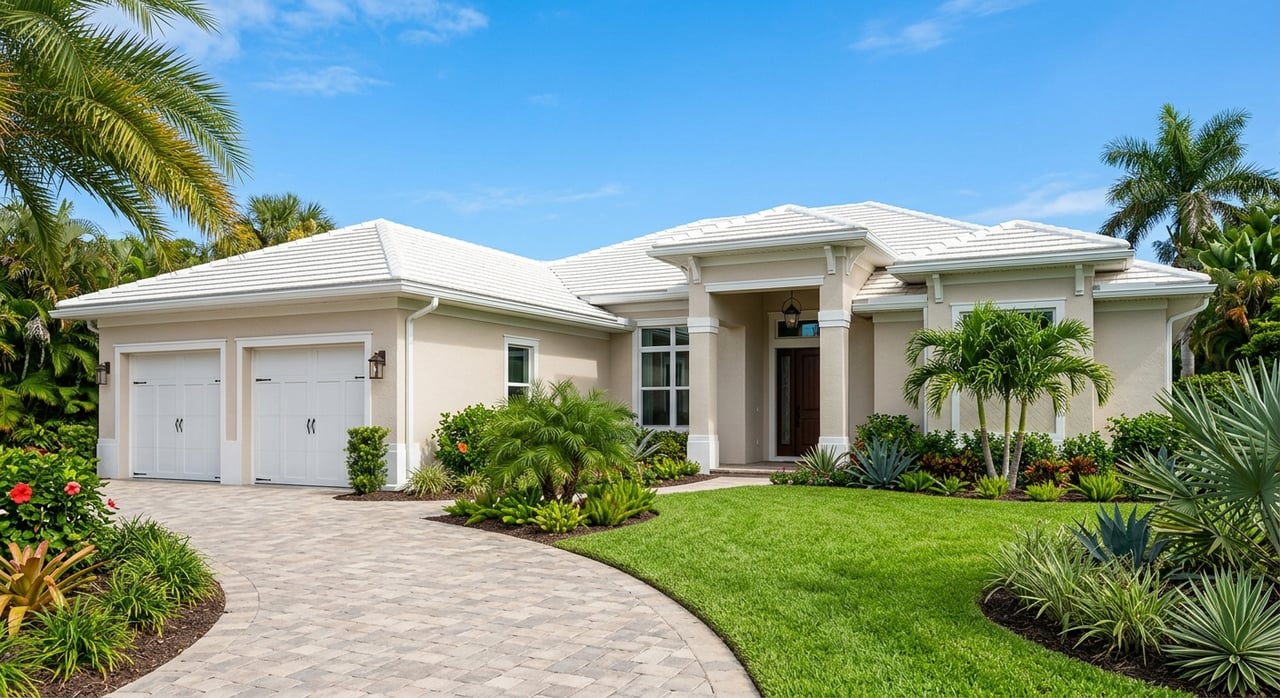
- Minor positives: updated finishes, fresh paint, light landscaping.
- Major negatives: unpermitted additions, failing or unknown-condition septic, high-risk flood zone requiring costly insurance, severe storm damage.
- Moderate negatives: old roof or HVAC nearing end of life, significant deferred maintenance, lack of dock where comparable homes have one.
- Minor negatives: basic cosmetic updates needed, cluttered staging, overgrown yard.
Because waterfront elements can create large price differences, it pays to use recent sales from the same waterbody with similar access and improvements.
Prepare for valuation
Gathering documentation early speeds pricing and negotiations and builds buyer confidence. Helpful items include:
- Recent survey or plat map, especially if it shows water boundaries or dock easements.
- Deed and title records, plus any easements or riparian rights.
- HOA documents if applicable.
- Building permits and completion certificates for additions, docks, seawalls, or driveways.
- Invoices for major improvements such as roof, HVAC, or dock work.
- Septic inspection and maintenance records, permit, and last pumping date.
- Flood insurance declaration and any FEMA elevation certificate.
- Property tax record and homestead exemption status.
- Rental history and permits if marketed as a short-term rental.
Inspections that matter
A few checks carry outsized weight with Crystal River buyers:
- Septic inspection and certification, since function and permits can affect both financing and peace of mind.
- Roof condition and documented age, a frequent negotiation point.
- Dock and seawall integrity, along with permit status or a repair plan.
- HVAC and water heater service history.
- Termite or wood-destroying organism inspection for older homes.
- Documentation or correction of any unpermitted work to avoid appraisal or loan issues.
Improvements that pay off
Focus on improvements that align with local buyer expectations and your specific property type.
- Restore or modernize a functional dock, and clarify boat or kayak access, subject to permits.
- Declutter, add light neutral paint, and invest in professional photography that shows water access, outdoor areas, and nearby recreation.
- Simple landscaping to boost curb appeal and open sight lines to the water where possible.
- Targeted kitchen or bath refreshes when finishes are dated, rather than a full remodel that may not return dollar-for-dollar.
If major waterfront work is needed, confirm permitting steps and costs before deciding. The potential price lift needs to justify the timeline and expense.
Marketing and pricing strategy
The way you launch your listing affects both the final price and your timeline. Accurate pricing at the start reduces days on market and cuts the chance of later price reductions. Underpricing can sometimes spark multiple offers but risks leaving money on the table if the strategy is not managed well.
High-visibility marketing reaches the buyers who value what you have. In Crystal River, that means professional photography, drone footage for water properties, and virtual tours to engage out-of-area and seasonal buyers. Precise water-access details in your listing, plus facts about flood, septic, and permits, help qualified buyers act faster.
The Katie Spires Team pairs deep, multi-generational Citrus County knowledge with in-house media production, including photography, video, and 3D tours. That combination and RealTrends-verified production help your home stand out to both local and out-of-area buyers.
90-day sale timeline
If you want to be moving in about three months, use this practical roadmap:
- Week 0 to 1: Choose an agent with Crystal River and waterfront experience. Request a CMA and a pre-list consultation.
- Week 1 to 2: Gather documents. Order septic and roof inspections if needed, and get repair estimates.
- Week 2 to 4: Complete agreed repairs, declutter and stage. Schedule professional photos, drone, and virtual tour.
- Week 4: Go live on the market. Aim to list within about 30 days of deciding to sell to stay on track.
- Weeks 4 to 12: Showings and offer negotiations. Expect 2 to 4 weeks for inspection and financing contingencies once under contract.
Adjust for permitting, dock or seawall work, and buyer financing timelines. Waterfront properties in turnkey condition often move faster, especially during the busier fall to spring months.
What to do next
Every Crystal River home has a unique value story shaped by water access, elevation, septic and permits, and condition. A data-driven CMA tailored to your property and buyer profile is the best way to set a confident price and plan your move.
If you are considering selling in the next 90 days, request a local CMA and marketing plan. Reach out to the team at Katie Spires to get started. Let’s make your move together.
FAQs
Are online valuations accurate for Crystal River homes?
- AVMs are quick ballpark estimates but often miss waterfront nuances, dock value, flood exposure, and septic condition, so they are less reliable here.
Why do two nearby Crystal River homes have different values?
- Differences in water access, dock or seawall presence and condition, elevation and flood zone, septic versus sewer, and overall condition can cause major price gaps.
Does having a dock always increase value in Crystal River?
- A permitted, well-maintained dock that provides usable access is usually a major positive, while an unpermitted or unsafe dock can reduce marketability.
Should I get an appraisal before listing my Crystal River home?
- A pre-listing appraisal can help with unique properties or uneven markets, but a locally prepared CMA is usually sufficient for most listings.
How do flood zones affect offers and financing in Citrus County?
- Homes in higher-risk flood zones may require insurance that raises monthly costs, which can limit the buyer pool and sometimes lower offer levels.
How long will it take to sell a Crystal River home?
- Timeline depends on price, condition, marketing, and season. Waterfront and turnkey homes often sell faster, while overpricing increases days on market.