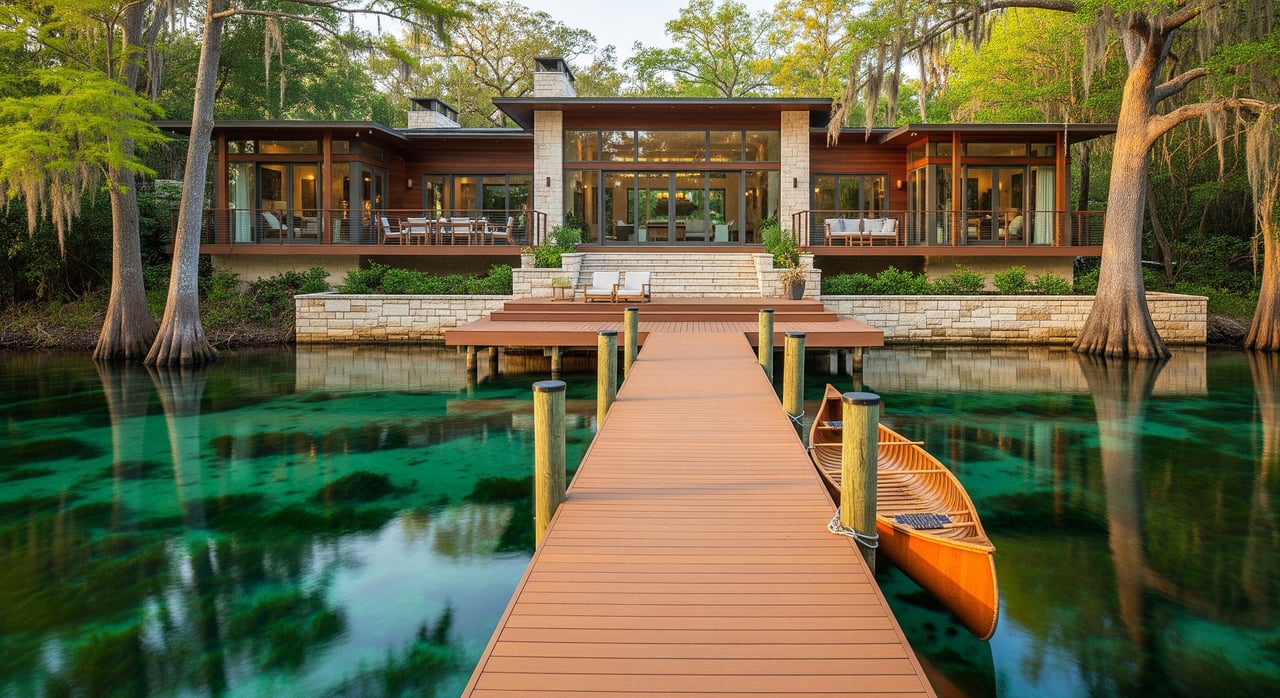
Everyday Life in Rainbow River Dunnellon Homes
February 5, 2026
February 5, 2026
Ever picture yourself stepping onto a dock each morning and seeing water so clear you can count the blades of eelgrass beneath your feet? If living on the Rainbow River is on your shortlist, you likely want the serenity, the recreation, and the charm of Dunnellon without surprises. In this guide, you’ll learn how life on a spring-fed river actually feels, where and how you can access the water, what to know about docks, septic, flood insurance, and seasonality, and a practical checklist to buy with confidence. Let’s dive in.
The Rainbow River begins at Rainbow Springs, one of Florida’s first-magnitude springs known for exceptionally clear water and steady flow. The river winds through Dunnellon and joins the Withlacoochee River. For a feel of the setting, explore the swimming area, trails, and day-use amenities at Rainbow Springs State Park.
The river’s clarity and ecology are a big part of its appeal. State programs recognize and protect sensitive spring systems to maintain water quality and flow. You can learn about statewide protections like Outstanding Florida Waters through the Florida Department of Environmental Protection.
If you love the outdoors, you will use the water often. Tubing, kayaking, paddleboarding, swimming, snorkeling, fishing, and wildlife watching are part of everyday life here. Outfitters provide rentals and shuttles for easy float runs.
Crowds ebb and flow with the seasons. Summer weekends and holidays are the busiest, especially around tubing launch points. Weekdays and cooler months feel much quieter, and early mornings are often the most peaceful.
Downtown Dunnellon provides the day-to-day conveniences you need, plus a laid-back, small-town feel. For local happenings and visitor info, check the Visit Dunnellon site.
Public access to the spring head and swimming area is through Rainbow Springs State Park. There are also other public and private launch points along the river and near the Withlacoochee confluence. Many paddlers choose non-motorized craft, especially on the spring run.
If you plan to fish, review statewide freshwater rules and seasons with the Florida Fish and Wildlife Conservation Commission. Always check current park guidelines and local regulations before heading out.
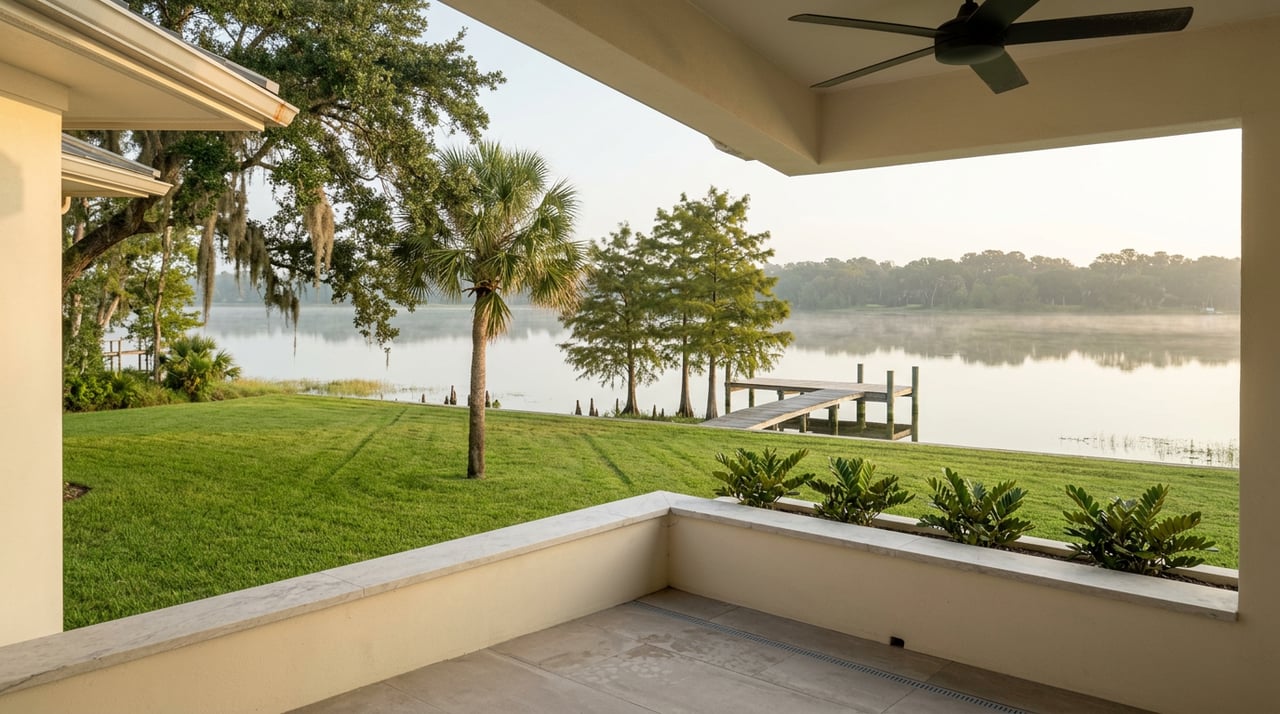
You will find a mix of properties: classic cottages and bungalows, mid-century ranch homes, custom homes, and subdivisions set back from the shoreline. Some parcels are narrow with private docks, while others offer deeper lots and more tree cover.
Living on the spring run can feel different from living along the broader Withlacoochee. The spring run is narrower and remarkably clear. The lower Withlacoochee has wider stretches that can accommodate a broader range of boats.
Many riverfront properties include private docks or lifts. Shoreline improvements usually require permits from county and state agencies. Before planning repairs or new construction, speak with Marion County permitting and confirm environmental requirements with the state. Start with the county’s main portal at Marion County, Florida, and consult the state’s environmental standards through the Florida DEP.
Expect setback rules, vegetation protections, and mitigation steps to maintain shoreline stability and water quality. Verify that any existing dock or seawall was permitted and that approvals are transferable.
Utility setups vary. Some older river-adjacent homes use septic tanks, while others connect to municipal sewer. Septic systems near springs are a focus for water quality because of nutrient loading. Ask for a professional septic inspection, age and service history, and whether a sewer connection is available nearby.
To understand why spring protection matters, review statewide spring resources and water quality initiatives via the Florida Springs Institute and the Florida DEP.
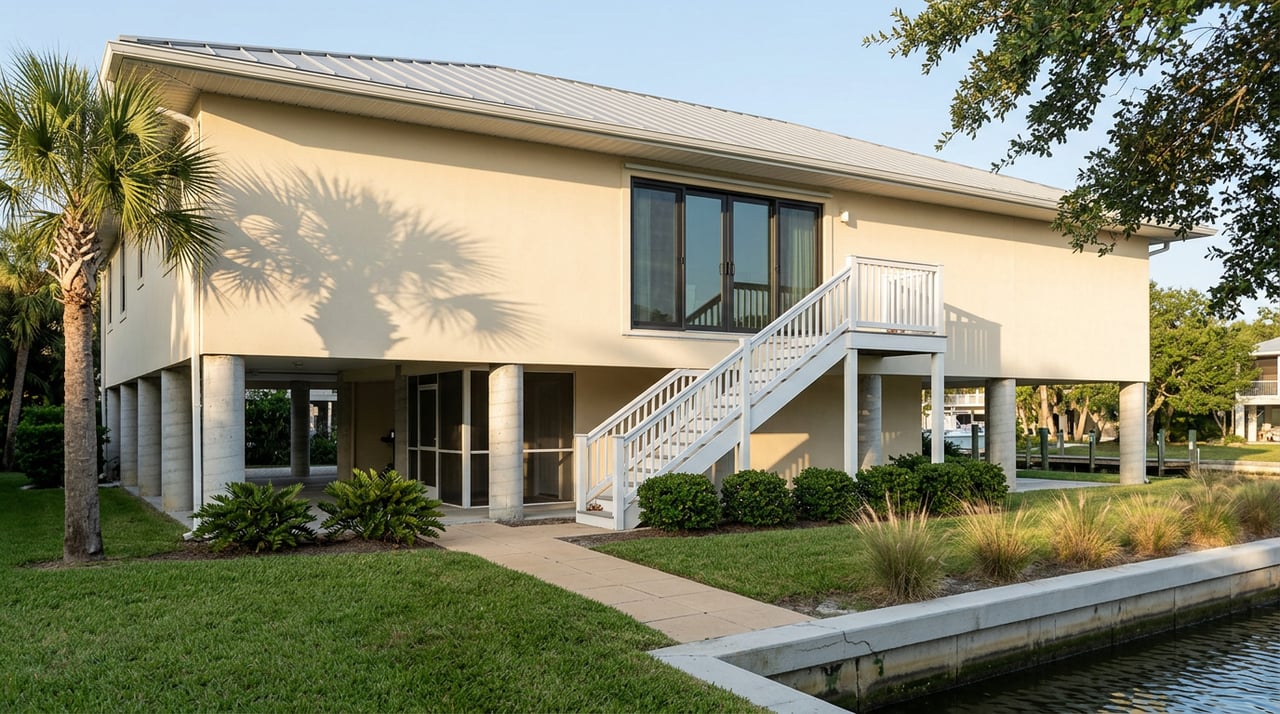
Some riverfront parcels fall within FEMA flood zones. Your exact risk depends on elevation, distance to the water, and local drainage. Lenders typically require flood insurance for high-risk zones.
Before you make an offer, review current maps at the FEMA Flood Map Service Center, consult a surveyor for an elevation certificate, and get quotes from a licensed insurance agent. These steps help you estimate your true monthly cost of ownership.
River living comes with unique upkeep. Plan for periodic dock inspections and repairs. Keep trees healthy and maintain native buffers to prevent erosion. Choose landscaping that limits fertilizer use and supports water clarity.
If you inherit a septic system, follow a regular pumping schedule and consider upgrades if recommended by your inspector or required by local programs. Responsible stewardship protects the clarity that draws people to the Rainbow River in the first place.
Dunnellon offers essentials like groceries, restaurants, and shops, with a calm pace. For specialized medical care or larger retail, you will likely drive to bigger nearby centers such as Ocala. Visit the City of Dunnellon for local services and updates.
Tourism is part of the rhythm here. Expect more activity near the water on warm-weather weekends. If year-round quiet is a priority, visit prospective homes at different times and days to compare the feel.
If you value clear water, quiet mornings, and a close-knit outdoor lifestyle, the Rainbow River is hard to beat. The trade-offs are manageable if you plan ahead: understand access and crowd patterns, budget for flood and maintenance costs, and confirm permits and utilities before you buy. With thoughtful due diligence, you will be ready to enjoy the river the way locals do.
When you are ready to tour riverfront homes or want a second opinion on a property’s flood, dock, and septic details, reach out to the team that knows North‑Central Florida waterfronts. Connect with Katie Spires. Let’s make your move together.




At the Katie Spires Team, we combine deep market expertise with a client-first mindset to guide you through every step of your real estate journey. From the initial presentation to the final signature, we’re committed to making your experience seamless, strategic, and successful.
Katie Spires Team
1121 Sterling Rd Inverness FL 34450