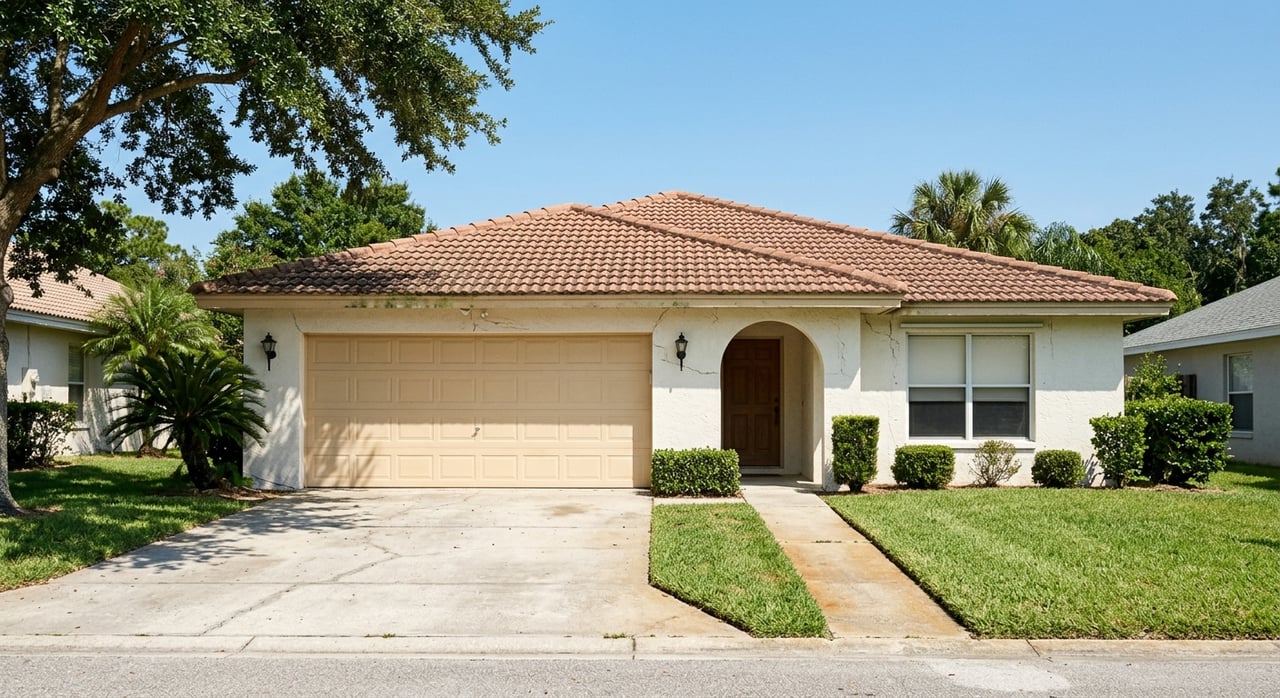
Fixer-Upper Opportunities In Dunnellon: How Buyers Evaluate Potential
April 16, 2026
April 16, 2026
Thinking about buying a fixer-upper in Dunnellon? You may be looking at a chance to build equity, create a home that fits your needs, or find a property with land or location advantages that move-in-ready homes do not always offer. At the same time, not every “opportunity” is a good one, and the key is knowing how to separate cosmetic projects from costly surprises. This guide will show you how buyers can evaluate fixer-upper potential in Dunnellon with more confidence. Let’s dive in.
Dunnellon offers a useful mix of price points, property types, and renovation possibilities. According to the latest Dunnellon market overview, the city is currently considered a buyer’s market, with a median sale price of about $304,600, a 98% sale-to-list ratio, and a median 89 days on market.
That kind of market can give you more room to compare options and negotiate carefully. It also matters that local ZIP-level median prices vary, with public market medians around $275,000 in 34431 and about $329,900 in 34432, which can help you start thinking about possible after-repair value before you narrow down specific comparable sales.
Current public fixer-upper listings in Dunnellon also show a wide spread. In other words, a fixer-upper is not one single price category. It is a condition category, and that means your evaluation process matters more than the label itself.
The first step is reading the listing remarks with a critical eye. Terms like fixer-upper, as-is, handyman special, needs work, and deferred maintenance are commonly used to signal higher condition risk, based on research on MLS language and property condition signals.
On the other hand, terms such as new roof, updated plumbing, foundation repair, remodeled kitchen, or new well pump may suggest that important work has already been completed. These phrases are helpful screening clues, but they should never replace an in-person visit, inspections, or contract review.
A smart approach is to treat the remarks as a triage tool. Ask yourself whether the home sounds like it needs cosmetic updates, major systems work, structural repair, or some combination of all three.
When you review a listing, pay special attention to phrases like:
According to Realtor.com’s explanation of as-is sales, as-is generally means the seller does not plan to make repairs, upgrades, or offer credits before closing. You may still have inspection rights and negotiation options if your contract allows them, so the exact terms matter.
That same source notes that cash offers only can be a warning sign that the property’s condition may not meet traditional financing standards. That does not automatically make the home a bad buy, but it does mean you should slow down and evaluate the scope with extra care.
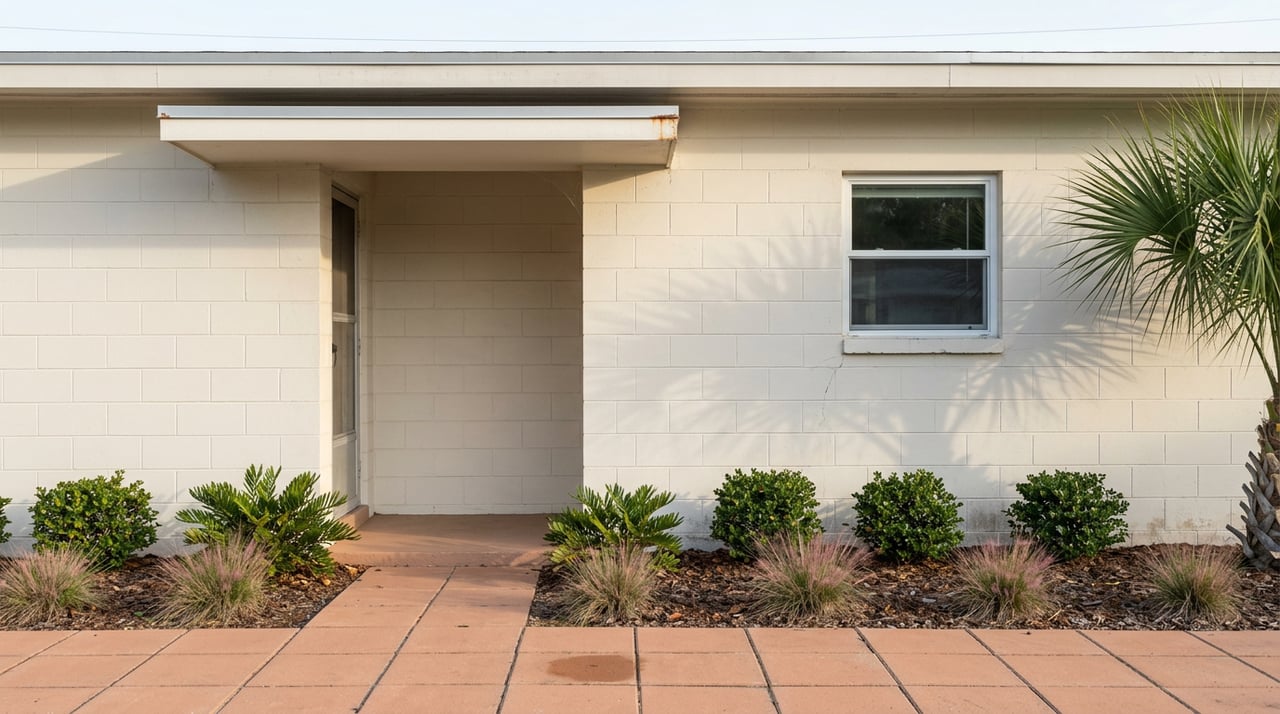
Many buyers get excited about paint, flooring, cabinets, and landscaping because those changes are easier to picture. The bigger question is whether the home also has hidden issues involving the roof, foundation, electrical, plumbing, HVAC, drainage, or other core systems.
A cosmetic fixer-upper can be manageable if the structure and systems are sound. A home with safety or structural problems may require a very different budget, timeline, financing plan, and tolerance for risk.
Fannie Mae’s property condition framework is useful here. Under its guidance, homes with severe deficiencies that affect safety, soundness, or structural integrity fall into a condition level that is generally not loan-eligible until repairs are made. At the same time, Fannie Mae notes that some minor defects can still allow an “as is” appraisal when safety and structural integrity are not affected.
As you walk a property, try sorting issues into two buckets:
Usually cosmetic or moderate updates:
Often higher-risk repairs:
This simple sort will not replace professional advice, but it helps you decide whether a property is worth deeper due diligence.
If you are serious about a property, the home inspection is one of your most important tools. According to Fannie Mae’s home inspection guidance, inspectors commonly review electrical, gas, plumbing, roofing, insulation and ventilation, heating and cooling, foundation or crawlspaces, grading, windows, garages, and related components.
That same guidance also notes that you may need specialists for issues such as pests, radon, asbestos, mold, or lead. For fixer-uppers, this matters because one general inspection can identify red flags, but some properties need a second layer of evaluation before you know what you are truly buying.
If the inspection reveals major concerns, do not just ask, “Can I afford to fix this?” Also ask:
Local due diligence matters even more with older or value-add properties. In Marion County, permits are required before work starts for most construction, alteration, repair, demolition, or system replacement jobs, and the county routes permitting and inspections through Marion County Building Safety.
That matters because a project that looks simple on the surface may involve plan review, permit fees, inspection scheduling, or correction work if earlier renovations were not done properly. If you are buying with the goal of renovating, this should be part of your timeline and budget from the beginning.
Water issues deserve early attention in and around Dunnellon. Marion County flood safety resources note that while large-scale flooding is generally unlikely at the county’s approximate elevation, flash flooding can still be a concern near low-lying areas and bodies of water.
The county also notes that flood insurance through the National Flood Insurance Program is available for county properties, and there is typically a 30-day waiting period. If a property is in a special flood hazard area, there may be added permit and elevation-certificate requirements before construction can move forward.
Some older neighborhoods may not have nearby water mains and may still rely on well water and septic systems. Marion County’s utilities FAQ explains that this is still common in some older areas, which can affect repair planning, inspections, and utility expectations.
The same county resources indicate that parcel GIS records can show details like year built, finished square footage, bed and bath counts, well or septic flags, and assessed value. Those records can help you pre-screen a home before you invest more money in inspections or contractor walkthroughs.
One of the biggest mistakes buyers make with fixer-uppers is assuming a finished home will automatically be worth “top dollar” in the area. A better approach is to compare the property to recent closed sales with similar size, room count, site characteristics, style, condition, and flood-zone factors when relevant.
Fannie Mae’s comparable sales guidance says the best comparables are usually recent closed sales from the same market area, often within the last 12 months when possible. In more rural markets, older or more distant comps may still be useful if the reasoning is supported.
Public sold data can help you build a rough frame. Recent examples on Dunnellon’s recently sold listings page include:
These sales are not automatic after-repair comps for every fixer-upper. Still, they show how condition, square footage, lot characteristics, and location can push value up or down. The goal is to compare your target home to the most similar recent sales, not just the highest sale you can find.
Even well-planned renovations can uncover extra costs after closing. That is especially true in older homes or properties with deferred maintenance. If the home needs work on systems, drainage, roofing, or structural components, your real budget may be higher than your first estimate.
A practical way to think about it is this: your purchase price is only the start. You also need to account for inspections, possible specialists, permitting, repairs, and the time it takes to complete the work.
Before you move forward, try to answer these questions:
A fixer-upper can make sense when the numbers are realistic, the location fits your goals, and the scope of work matches your budget and tolerance for uncertainty. It may also be appealing if you want land, a specific part of Dunnellon, or a home type that is hard to find in updated condition.
It may not be the right fit if the inspection reveals severe condition issues, the home appears difficult to finance, or the projected repairs leave little margin between total cost and likely value. In that case, the smarter move may be waiting for a property with a cleaner renovation path.
The best opportunities usually are not the homes with the flashiest promises. They are the ones where the numbers, condition, and local due diligence all point in the same direction.
If you are comparing fixer-upper options in Dunnellon, having local guidance can help you move from guesswork to a plan. The team at Katie Spires can help you evaluate market context, property fit, and next steps so you can make your move with more confidence.



At the Katie Spires Team, we combine deep market expertise with a client-first mindset to guide you through every step of your real estate journey. From the initial presentation to the final signature, we’re committed to making your experience seamless, strategic, and successful.
Katie Spires Team
1121 Sterling Rd Inverness FL 34450