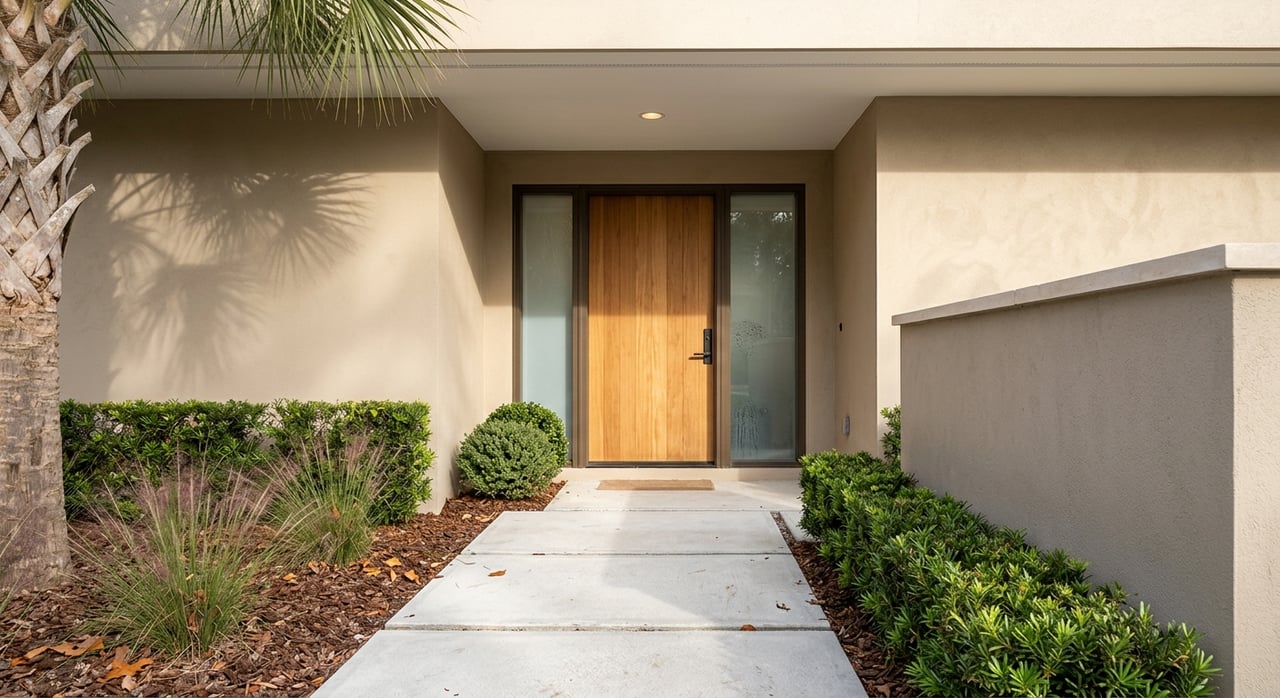
Relocating to Inverness FL From Out of State
May 7, 2026
May 7, 2026
Moving to a new state can feel exciting and overwhelming at the same time. If Inverness is on your radar, you are probably trying to figure out more than just home prices. You want to know how the area feels, how to narrow neighborhoods from a distance, and what steps matter most before and after closing. This guide walks you through the practical side of relocating to Inverness so you can make smart decisions with more confidence. Let’s dive in.
Inverness is a small city in Citrus County with a 2024 population of 7,887. City planning documents describe it as a low-density, single-family residential community with a retirement and service-based economy. Census QuickFacts also shows that 42.2% of residents are age 65 or older, which helps explain why the area often appeals to retirees, second-home buyers, and people looking for a slower pace.
For many relocation buyers, Inverness also works well for remote home shopping. Census data shows that 88.1% of households report a broadband internet subscription. That makes it easier to start your search online, review documents, and use virtual tours before you ever get in the car or on a plane.
One of the biggest mistakes out-of-state buyers make is treating the city name like it tells the whole story. In Inverness, neighborhoods matter. The city highlights small neighborhoods with distinct histories, including Azalea Island, Fletcher Heights, Inverness Heights, LaBelle, Pritchard Island, Rosemary, and Tompkinsville.
That matters because your daily experience can vary a lot based on where you land. Some areas may put you closer to downtown, some may give you easier trail access, and some may feel more tucked away and residential. If you are relocating, it helps to compare micro-areas instead of asking only whether Inverness is the right city.
As you compare neighborhoods, focus on the features that shape your routine:
For example, the city describes Inverness Heights as a west-of-downtown subdivision with quiet streets, single-family homes, a few apartments, walkable access to schools and shopping, and a mix of retirees and working professionals. That kind of detail can help you decide whether a specific area fits your lifestyle before you visit in person.
If you are moving from out of state, your search will likely start online. The good news is that Citrus County offers strong public tools that can help you screen homes more carefully. One of the most useful is the county GIS address lookup, which can show property summaries, bordering streets, utilities, emergency management information, flood-related data, topography, future land use, zoning, permits, and parcel images.
A smart process is to start broad and then narrow down. Begin with the city’s neighborhood pages to get a feel for the area. Then move into parcel-level research to confirm whether a home fits your practical needs.
Before you commit to a scouting trip or an offer, check these items for each property:
This order can save time. It helps you rule out homes that look good online but may not work once you confirm utilities, zoning, flood exposure, or school boundaries.
This is one of the most important relocation topics in Inverness. The city notes that not every property inside city limits is connected to water and sewer. It also notes that some homes outside city limits may still receive city water. In other words, you should never assume utility service based only on the mailing address.
If a home is not on public sewer, Citrus County says you should check septic requirements with the Health Department. This is especially important if you are buying an older home, a land parcel, or a property where you may want future improvements. Small details here can affect both cost and your long-term plans.
Zoning and land use are worth checking early if you are buying for more than just the house that exists today. You may want extra storage, an outbuilding, more flexibility for acreage, or room for future changes. The county GIS system includes zoning and future land use data, which can help you spot possible constraints before you move forward.
Remote buying tools are helpful, but they work best when paired with a short in-person visit. A practical approach is to use virtual tours, photos, 3D tours, and document review to narrow your list first. Then plan a focused scouting trip to confirm what the internet cannot fully show you.
This second step helps you test the details that can shape your day-to-day life. You can check street feel, traffic flow, nearby noise, drainage patterns, and how easy it is to reach the places you will visit most often. That is often the difference between finding a house that looks good online and finding a home that feels right in person.
A local agent can add the most value before you travel, not after. That early help can save you from visiting homes or areas that are unlikely to fit your needs. It also gives you time to organize tours efficiently and ask the right parcel-specific questions.
Before your trip, it helps to:
The Katie Spires Team’s relocation support and in-house 3D tour capabilities can make this step easier, especially if you want to do much of the early screening from out of state.
When you are relocating, timing matters just as much as location. A lender should be looped in early so you understand your options before you travel or make an offer. If you are using VA financing, the U.S. Department of Veterans Affairs says the Certificate of Eligibility verifies eligibility to the lender, and lenders can often obtain it through WebLGY in seconds.
The VA also notes that VA-backed purchase loans may offer no down payment if the sales price does not exceed the appraised value. For military-connected buyers moving into the area, that can make early planning even more important.
Closing is the final step in buying and financing your home. The Consumer Financial Protection Bureau says the lender must provide the Closing Disclosure at least three business days before closing. If you are moving from another state, give yourself enough time for document review, travel coordination, and any last-minute changes.
A little extra buffer can reduce stress. It can also help if you are arranging movers, temporary housing, or overlap between your old home and your new one.
Once you close, you still have a few important relocation tasks to handle. In Florida, new residents must obtain a Florida driver license within 30 days of establishing residency. Florida also requires you to title and register vehicles within 10 days, and you must show proof of Florida insurance for titling and registration.
For your mail, USPS recommends filing a permanent change of address when moving. Mail forwarding can begin within three business days, though it may take up to two weeks to fully settle in. USPS also recommends notifying organizations that send you mail at least two weeks before the move.
If the Inverness home will be your permanent residence, homestead exemption should be high on your post-closing checklist. The Citrus County Property Appraiser says it generally applies when you own Citrus County property on January 1, make it your permanent residence, and file by March 1.
The office notes that the exemption can provide up to $50,000 in property tax relief. It also states that Save Our Home protections begin the year after the exemption is received. For many full-time relocation buyers, this is one of the most valuable steps to complete early.
Flood review should be part of your search well before closing. FEMA’s Flood Map Service Center is the official source for flood hazard information, and flood insurance is separate from most homeowners policies. That means a home’s flood exposure can affect your planning even if the house itself checks many other boxes.
Citrus County also provides an evacuation map so residents can determine whether they are in an evacuation area and which level applies. This is especially important if you are considering low-lying, waterfront, mobile-home, or RV-type properties. Even if you are not near the water, it is still wise to understand the property’s flood and emergency management context before you buy.
If you are relocating with plans to buy land, acreage, or an older home, do more due diligence up front. Utility availability is not uniform across Inverness, and parcel-level research becomes even more important in these cases. The county GIS tools and city utility information can help you confirm utilities, land use, zoning, and emergency-management details.
If you may develop the parcel or need septic, the city says to contact Community Development Services, and county guidance says to check septic requirements with the Health Department. These steps are easy to miss when you are buying from out of state, but they can have a major impact on your plans.
If you are planning a move to Inverness, local guidance can make the process far less stressful. From narrowing neighborhoods to reviewing utility details and coordinating a smart scouting trip, the right support helps you move with clarity. When you are ready to start your relocation search, connect with Katie Spires to make your move together.

At the Katie Spires Team, we combine deep market expertise with a client-first mindset to guide you through every step of your real estate journey. From the initial presentation to the final signature, we’re committed to making your experience seamless, strategic, and successful.
Katie Spires Team
1121 Sterling Rd Inverness FL 34450